Encaptechno

Author name: Abhinav Bhalla

A skilled CRM consultant focused to help Organizations streamline their business processes.

Google Search Console: How to Create a Winning Marketing Strategy with Google Search Console Data?

Google Search Console: How to Create a Winning Marketing Strategy?

Google Search Console: How to Create a Winning Marketing Strategy with Google Search Console Data?

Google Search Console or GSC is a valuable analytics tool that Google provides free to anyone who owns or manages a website. GSC can assist you in monitoring your site’s presence in Google Search results, allowing you to maintain and troubleshoot critical areas that require attention. What makes digital marketing unique is the data it provides. It tells you which of your investments were successful and why. Your digital actions and their outcomes are recorded to understand your audience and their behaviors better.

All you must do to get started is add Google Analytics and Google Search Console to your website, and you’ll be well on your way to creating a successful digital marketing PPC Ad campaign. Google Search Console and Google Analytics are both free Google tools. Search Console can assist you in understanding and improving how Google reads your website and provide insights into areas where you should focus your marketing efforts. In addition, Google Search Console is a free tool that allows web admins to monitor the health of their website in the index.

You should use both if you’re serious about understanding how your website performs in terms of key metrics like total website traffic, acquisition, user behavior, and rankings on search engine results pages (SERPs). Although they are closely related, Analytics and Search Console provide different data and are extremely useful in evaluating the performance of your website.

Google Search Console is a critical foundational tool for ensuring the success of your SEO strategies. The best part is that it is an entirely free service. So there’s no excuse to skip it.

Whether you’re working with an SEO agency or going it alone, Google Search Console provides you with the information you need about your site and its visitors. But don’t know where to begin with Google Search Console? 

You must first know what Google Search Console does before appreciating its value for your company’s long-term success and website performance. Because of the tools, it provides to ensure that websites perform well in Google search and the tools it offers to track success and analyze traffic, Search Console is an invaluable resource for marketers. In addition to statistical information and data, Search Console gives web admins tools for resolving issues that may prevent them from performing well.

What is Google Search Console all about?

Google Search Console is a simple and free tool that enables users to measure their website’s traffic, see keyword performance, troubleshoot issues, and receive Google messages about their website. In addition, it provides information on how a website performs in organic search and methods for making changes to the site in the Google index. However, unlike Google Analytics, Search Console only provides information on web search traffic, not other segments such as direct traffic, traffic from ads, or traffic from site referrals.

Top digital marketers use Google Search Console for the following primary purposes:

  • Identify and resolve issues and crawl errors that may be preventing your site from appearing on search results pages (SERPs) and impeding your SEO performance.
  • Analyze your link profile to see which websites link to yours and fine-tune your backlink marketing strategy for lead generation.

Purpose of Google Search Console

Google Search Console can help businesses better monitor the online performance of their websites. Some of the critical information you can learn from Search Console includes:

  • Which queries that are keywords direct the most Google search traffic to your site.
  • Which pages on your site receive the maximum Google search traffic.
  • Remove URLs that you do not want to appear in search results.
  • For any given page, which queries send the most traffic from Google search to that page.
  • Security issues that Google may have noticed with your site’s content.
  • Witness security problems on your website.
  • Know which pages have blocked resources.
  • Measure the conversion rate or CTR.”
  • Other domains that are connecting to your site.
  • Find out which pages are the most thriving on your website.
  • Learn which web pages are being positioned and for which keywords.
  • Assess incoming links and internal links.
  • Test if the robots.txt and sitemap files on your website work properly or have an error.
  • Mobile device usability problems found with your content.
  • Which content from your site has Google indexed, or are any of your pages inaccessible to Google search.
  • Google may have encountered errors while crawling your site (e.g., broken links or 404 errors).

How can Google Search Console Data benefit your business? 

Successful marketing techniques
Successful marketing techniques - How can Google Search Console Data benefit your business

Creating more efficient marketing techniques is one way you may use Google Analytics and Google Search Console to grow your company. You may quickly determine which marketing initiatives are effective and which need to be modified using the data these technologies provide. For example, you might use the Google Search Console to monitor how many people visit your website after starting a paid advertising-based marketing campaign. Then, change your advertising plan if you see that the number of visits is far lower than the number of people who have seen the commercials.

Innovative Product Concepts

You might also use these resources to generate innovative product ideas to help you grow your company. For instance, adding that product to your selection would be a good idea if you notice that your competitors are doing well for a particular category of goods you do not provide. 

For instance, if you operate a blog on different forms of communication, showing your readers how to send messages across radio waves or faxes from computers could be pretty helpful in boosting organic traffic.

Setting Realistic Business Objectives

Finally, you might find it helpful to define attainable business goals with Google Analytics and Google Search Console. 

For instance, you can decide to increase the number of visitors to your website by a specific percentage within the following month if you observe that it is not receiving as much traffic as you would like. Similarly, you might establish a goal to increase the average time spent on the site by a certain percentage if you see that visitors aren’t staying long enough. You can begin monitoring your development when you’ve set a goal. 

Performing competitor research
Performing competitor research - How can Google Search Console Data benefit your business

You might utilize Google Search Console in addition to carrying out a competitor analysis. For instance, you can try to figure out why one of your rivals is ranked well for a particular category of good or service if you observe it. Is it because their product is superior? Or is it because their marketing is more effective than yours? Once you’ve discovered the solution, you can use that knowledge to advance your company. In addition, you might utilize these tools to determine which of your rivals is receiving the most visitors from organic search.

How to Create a Marketing Strategy with Google Search Console?

How to create a marketing strategy with Google Search Console

However, digital marketers must be able to set up the Google Search Console independently. The data in Search Console is crucial for assisting you in optimizing your website and honing your SEO marketing strategy for lead generation if growing organic traffic to your website is essential to you.

Add portal to Google Search Console.

The procedure starts with adding a portal to Google Search Console and verifying it. Verification informs Google about your identity, whether you are the portal owner, a webmaster, or an SEO agency. Following that, the property is added via the portal URL. Once this is done, the verification process can begin in one of the following ways:

Add Google Analytics code. 

This would be a simple option to verify the website for someone who uses Google Analytics as a tracking metric. 

Begin by reviewing your home page code and adding the head section. After that, you must manage the site by going to the Search Console Dashboard and verifying the site. This should be followed by the recommended or alternate method instructions listed under the Google Analytics option.

Insertion of an HTML tag

The following step would be to include an HTML tag. This is primarily useful for marketers with some coding experience. The procedure should start with verifying the property in the search control dashboard. When you select the HTML tag option or the alternate methods tag, you will be given the HTML code to verify the site. The code must then be copied and pasted into the head section. After you save the code, you will be able to publish it. The verification code will be available on the home page of the website. You can verify the site once you return to the Google Search Console.

Adding an HTML file

An HTML file can be uploaded to the root directory of the website. In addition, the manage site option can also be found on the search console dashboard, where you can verify the site. 

The HTML file must then be uploaded using the recommended method. For Google to verify further, you must follow the instructions to download the HTML file without changing its content. You can verify the site after it has been uploaded.

Validation via the domain name

A website can also be verified through a domain name provider if the subdomains and subdirectories associated with your main domain can be accessed. The domain name provider must be selected from the recommended or alternate method options. 

To complete the verification process, the domain name should be chosen from the list provided, and the instructions should be followed. The search console can help digital marketers improve the SEO performance of their websites.

Domain name registration

You can select your preferred domain name, www or non-version, in the site settings. It is necessary to enter a domain name.

Include a site map

Sitemaps are digital maps that give Google’s site crawlers information about your website’s pages, such as the most crucial pages, when they were last updated, etc. The website map must then be submitted to Google Search Console. This is a quick step that improves the crawl ability of the site. This is especially useful when a website has a large number of pages. A site map helps the Googlebot crawl and index a new website much more efficiently. It is not required to have a sitemap appear in Google search results. 

Google claims that its web crawlers will typically find most of your pages if your site is structured correctly (i.e., pages are logically linked to one another).

The Bottom Line

The Google Search Console tool has evolved to meet the ever-changing needs of digital marketers. If you do not use this tool, you may miss out on some crucial achievements. While it may not be an easy task at first, you could give it a shot and gradually adjust to the various associated components.

Google Search Console is simple and easy to use, and it belongs in any webmaster’s, marketer’s, or business owner’s toolkit for managing their visibility on Google Search. One of the tool’s main advantages is the additional data and understanding of how people find your website on Google. You can keep attracting similar audiences to your website through SEO and other digital marketing strategies if you know how people find you through Google Console data.

Call the experts at Enacptechno today and get the best assistance!

Google Search Console: How to Create a Winning Marketing Strategy? Read More »

Digital Marketing, , , ,
How to Index Your Landing Page in Search Engine | Encaptechno

How to Index Your Landing Page in Search Engine? | Page Indexing Guide

How to Index Your Landing Page in Search Engine | Encaptechno

If you run a business and have a website then you would know the importance of creating a good landing page for selling your products and services. But this is not just it. You should also ensure that people can find it too. To make sure that this happens, page indexing is one of the best ways that enables search engines to recognize your brand.

With page indexing, you can attract the target audience and attract their attention too. This is the first step to enhancing a website’s search engine rankings. Amongst all the search engines, Google page indexing is one of the most important things to focus on.

The fact of the matter is that Google holds a major share of the global search traffic. The page indexing on Google is a list of web pages that it knows about. If you are serious about SERP ranking then you will also have to be serious about page indexing.

In this blog, we will be offering comprehensive detail on page indexing and why it is an important marketing technique. Keep reading to know more.

What is Page Indexing?

What is Page Indexing?

The indexed pages are the web pages that a search engine has in the database of the index. When the bots of a search engine crawl the internet in search of a new page or when they update an already indexed page then that is called page indexing.

The crawlers of the robots examine every page on a website while analyzing all the aspects in complete detail. After this, they include the data in their index. In addition, crawlers also come back to websites for checking new updates which are then added to the ledgers. They periodically crawl to assess the rank of a website.

The more frequently a website gets updated while adding new content to keep it relevant, the easier it becomes to get it ranked. Efforts must be made to fix the responsiveness issues and implement new SEO changes so that the pages can get ranked quickly.

In contrast, a website that is left without any kind of maintenance for a long time can become less relevant. The more outdated a website becomes, the less interesting the information becomes which is why the lower it ranks.

Link Between Page Indexing and SEO

Link Between Page Indexing and SEO

The link between page indexing and SEO can be a lot more complex than it looks. Indexing of URL is important in case you want to meet the positioning objectives in the search results. No matter how much you optimize a page, in case it is not being indexed then it will not rank in the search engine.

It is only the indexed pages that are given a position on the SERP. However, this position can depend on the rest of the on-page and off-page search engine optimization factors that you have worked on. Indexing will change in case you leave a landing page unattended. The factors can be joined by others and can be controlled to a great extent based on content publication rate, site updates, content quality, and existing competition.

The page indexing done at a quantitative level can also affect the SEO positioning of a landing page. The URLs that get indexed under the same domain can take on more weight in the search engine as compared to the competition. This is when the URLs are qualitative as well as quantity is not the only factor.

Why is Landing Page Indexing Important?

The primary purpose behind creating, designing, and even uploading a landing page is to tell most customers about a product or a service. Page indexing is a certain way to improve conversions and also build a robust customer base. If the landing page of a business is not active on the Google list then it is not so likely to show up on the internet.

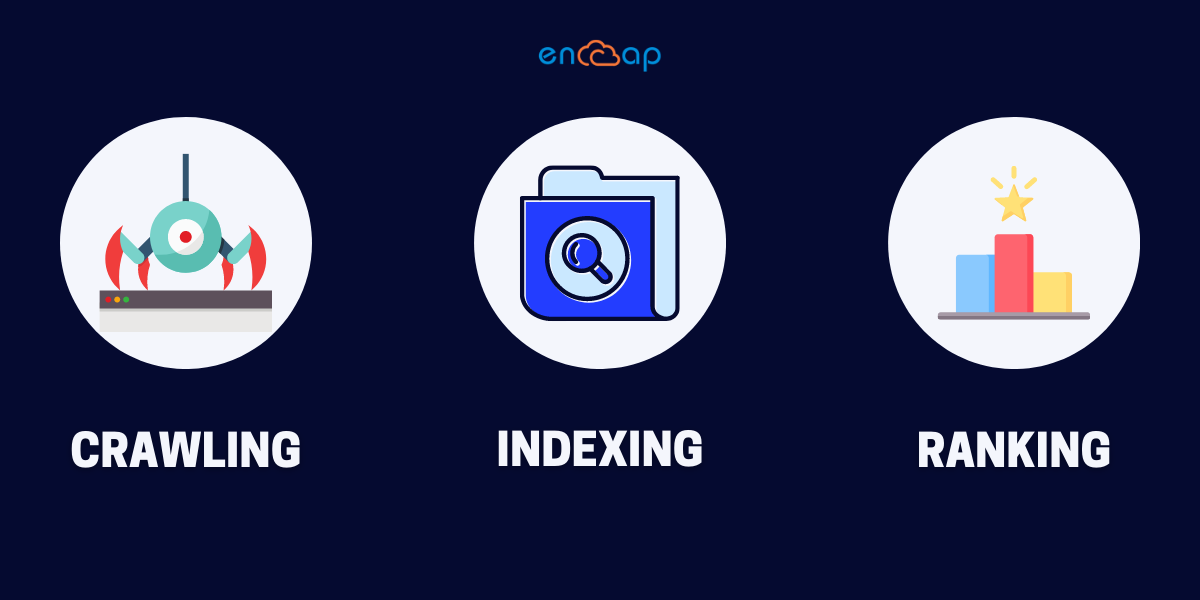
Crawling Indexing Ranking

The key is to understand the importance of indexing. When it comes to indexing a page, the Google spiders crawl a website. The search engines work in three primary ways that are mentioned below.

  1. Crawling: The search engine bots and spiders crawl the website for verifying the indexing status. They crawl links on web pages to look for new content and some of the most important pages.
  2. Indexing: The search engine page indexing is also about storing the web page in a database. Once this is done, Google is ready to display results in important queries.
  3. Ranking: The search engine finds the rank of the web pages using important metrics such as user experience, page relevance, high-quality content, and core web vitals.

The role of search engine optimization is to add a web page to the list. The database allows search engine optimization to find the information useful for users. It is not something that governs rankings.

Google uses algorithms for deciding the search engine rankings along with user demand, web usability, expertise, etc. In case your want your content gets discovered by users then you must ensure that it is always indexable. In case it is not then it is likely that it will go unnoticeable. You can affect indexing by streamlining how crawlers detect a landing page.

Time to Get a Landing Page Indexed

It can often take some time for search engines like Google for indexing a new website. It can be difficult and even challenging until Google indexes a website or even a new landing page. The SEO tags have a lot to do with how simple you are making it for Google to crawl a website.

In case Google does not find your website worthy of indexing then it is never going to index it. You just need to make the journey of crawlers effortless for finding a website. However, the question is how can that be done? There are actually many steps that can be followed for effective indexing. These steps when followed properly can streamline the search engine indexing and quicken the process.

Steps to Ensure Page Indexing In Search Engines

1. Find the Robots.txt File

Find the Robots.txt File - Steps to Ensure Page Indexing In Search Engines

The Robots.txt files are important because they make it easy for web spiders to crawl a site. Even a little mistake in these files can actually stop the crawlers from finding a web page.

The different search engines follow the prompts of major Robots.txt files. It is important to optimize the files so that you can prioritize the most important pages such as landing pages. This avoids overloading the landing page with requests at once. 

In case you are new to this then you can choose to get a technical audit done which makes things easy. You can check the file placement and match Google guidelines as well this way.

2. Verifying the SEO Tags

The SEO tags can be useful for hiding the user information from reaching the search engines. Many times, the SEO tags have the ability to block new pages from reaching a client. Hence, it becomes important to check if the tags are used incorrectly.

Canonical tags can be useful when there are many versions of a single landing page. It tells most search engines to pick chosen pages over the other ones. In case the bots do not find canonical tags then they can consider the page as a preferred page and index it.

In case a canonical tag is there, the crawlers can assume an alternate page can be present. This will leave page indexing even if another landing page is there or not. Removing the canonical tags becomes important for a website so that it functions well.

The no index tags are the ones that convey that most crawlers do not index any landing pages. In case a landing page is facing a page indexing problem then no index tags can be the reason behind it. Google finds pages with high authority backlinks as the important ones. It informs crawlers that the landing pages are important and trustworthy and finally the process of indexing improves.

3. Well-Built Site Architecture

Well-Built Site Architecture - Steps to Ensure Page Indexing In Search Engines

Effective web navigation makes it easy for search engines such as Google to index a page. This is an important search engine optimization technique. When the site architecture is not systematic, the crawlers can get trapped in a loop and they cannot even reach the required pages.

On the other hand, good internal linking guarantees that a page is easy to find. It allows the crawlers to look for the best web pages from all the other ones. The non-linked ones are more like orphaned pages and they do not get indexed. It is therefore important to ensure that the landing pages do not stay on this list but how can that be done?

Attempts must be made to build a good site architecture. You can create an XML sitemap as that is one of the best ways to ensure crawling. You can tell the search engines all about URLs present on a website and links between them. Moreover, you can also update new entries using images and videos. Crawlers can see your pages without any problem from locations.

You can also add high-quality internal links so that the crawlers can find new pages with internal linking. This quickens the process and strategic internal linking also optimizes indexing to other high-quality internal links. Make sure that you do not assign any no to follow links on the pages. When the bots find no-follow tags then move away without indexing them. This is why they must be removed.

4. Page Eligibility for Indexing

It must be ensured that the pages are appropriate for page indexing. We say this because there are many causes of why a URL can get rejected. In case the URL violates any webmaster guidelines then search engines can remove it from the indexing. The unnatural links and keyword stuffing can be held responsible for this.

It is also possible that the URL may be returning a 404 error page. This can be accidental and even intentional that call for backend correction. In other cases, it can also be a server not being able to pick on your landing page.

In other cases, it is also possible that the landing pages are blocked from crawling. You must set some passwords on the page so that the web spiders cannot access your page. The Google search console is a good way to understand how Google is interpreting a page.

5. Promoting Pages Featuring Good Content

Promoting Pages Featuring Good Content - Steps to Ensure Page Indexing In Search Engines

High-quality content also makes a difference in ranking and indexing. The high conversion pages including blog posts, landing pages, and home pages are higher in the hierarchy. The low performing content on the other hand accounts for a better crawl budget. It also decreases the relevance of high-priority content.

Google spiders are always looking for pages that can add more value to users in a good way. The duplicate content can also invite an extra penalty and sometimes even raise a red flag. Hence, it is important that you remove any low-quality pages. A perfect example of a low-quality page can be removing duplicated content pages.

The duplicate content page is there to solve problems such as A/B testing on the team while experimenting with the pages before they get launched. These pages differ a little from the original pages.

You will not want search engines to get caught up and display any kind of duplicate content. This can affect the ranking which is why it is better for most search engines to ignore them. You can let web crawlers move around freely on a website for getting valuable content for users.

Conclusion

Page indexing is an important step for achieving better rankings and ROI. In case you have submitted a landing page for indexing, it can take some for it to get indexed. Otherwise, technical errors and on-site issues can block crawlers. Hiring an SEO expert can allow you to index and even enhance the ranking of a landing page.

How to Index Your Landing Page in Search Engine? | Page Indexing Guide Read More »

Digital Marketing, , , ,
Landing Page Vs HomePage - How is a Landing Page Different from a Homepage? - Encaptechno

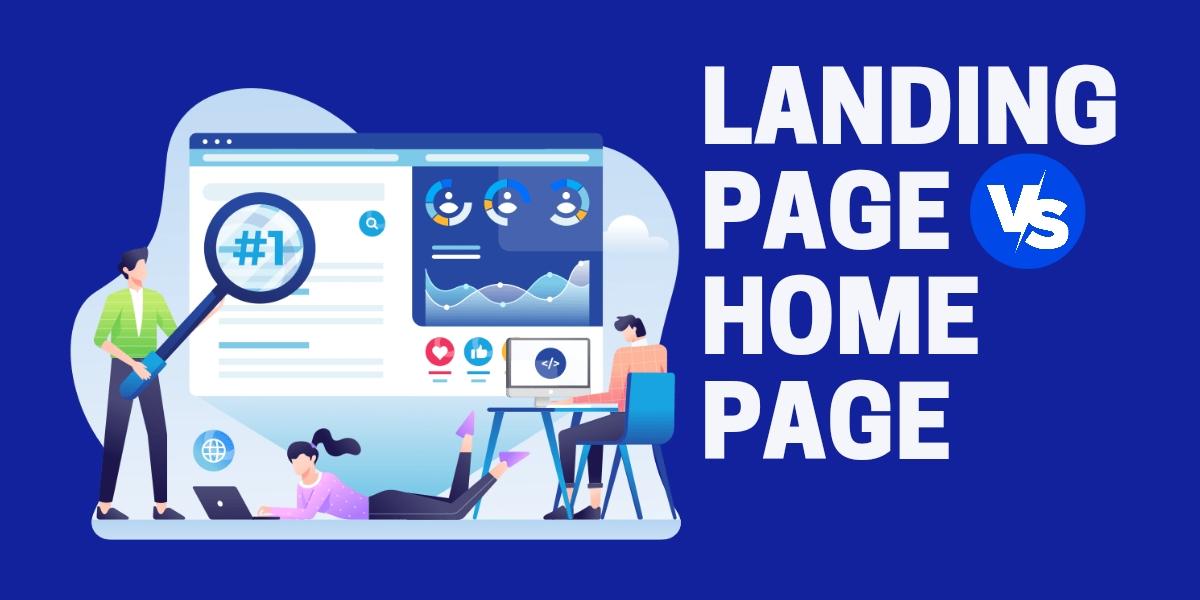
Landing Page Vs Home Page: How is a Landing Page Different from a Homepage?

Landing Page Vs HomePage - How is a Landing Page Different from a Homepage? - Encaptechno

Anyone new to online marketing campaigns can usually be confused between a landing page and a home page. The business owners who are trying to do digital marketing are particularly prone to making this mistake. A visitor might likely land on your homepage, but that does that they make it to your landing page.

The fact is that the difference between a home page and a landing page is a lot more complex. The landing page and a homepage argument get settled with a simple business idea which is universal and that is intention. These two web pages are different from each other in the sense that they serve a different purposes. They should be used for achieving different goals.

In this blog, Landing Page Vs Home Page we will be breaking down the significant differences between a landing page and a homepage. It is important to keep in mind that practicality is important so that the marketing concepts can be easily applied when it comes to working. For the people who understand landing pages, there are many new concepts on the basics and new concepts to learn.

It is important to understand the definition of a landing page and a home page. In this blog, we will understand how a landing page is different from a homepage.

  • Landing Page: A landing page is an independent page designed for a specific marketing campaign. The landing pages also have a call-to-action and these pages do not have anything to distract the interest of customers from converting.
  • Home Page: A home page is a single page of a large website. It is full of useful information and it also focuses on introducing a company. The homepage is an invitation to the visitor for exploring a brand.

Communication is the driving force of marketing in all its various forms. In case a marketing campaign is not able to communicate with the audience then it is likely that it is going to fail. While a person may use the same information at times, the way this is communicated on the landing page and home pages are different.

Overview of Difference Between Landing Page and Home Page


Everything comes down to what the web pages have been made for. The major difference between a landing page and a home page is focus and the proven advancement that comes in conversions, sales, signups, leads, and all the action that a visitor takes.

Focus is the reason why landing pages are effective for marketing. As opposed to the websites and home pages that are designed for exploration, landing pages are streamlined to a campaign or offer that guides the visitors towards a call to action. Landing pages are made for conversions.

The focus of a landing page applies to many elements of a website visitor including one goal or call to action, minimal distractions, messaging and design matched to an ad, and audience targeting.

What is a Home Page? 

What is a Home Page?

A home page is a web page that is used for providing general information while encouraging visitors to explore.  Being a welcome page to a website, a home page serves the purpose of acting as an introduction to a business brand, its products and services, values, who and what it is for, who should be contacted, etc.

If we compare the home page and landing page web pages then a homepage is used for setting a first impression that includes all that a company can offer and visitors can learn from different sections of a site. A home page should also speak to a wide audience including those who might even have never heard of the company forget what it does and why it is important.

The homepage makes for generic messaging and focuses on many page goals along with links, buttons, and navigation for the visitors for taking important actions. There must be no distraction on the home page. When it is about marketing, the distraction affects the campaign’s focus because of diluted messaging, competing links and options that stray away from a conversion goal.

Hence, home pages cannot do everything. They should be focused on informing and sometimes directing the traffic while the landing pages focus strictly on converting traffic into conversions. Qualities of a good home page are:

Clear Brand Overview

Clear Brand Overview - What is a Home Page?

The most important thing a home page can deliver is a clear understanding of what a brand is and should do. This usually begins with a small description which then expands into a detailed thing as more and more visitors scroll a page.

The homepage must answer basic questions asked by a new visitor including someone who has only just learned the existence of a new business. It is necessary to consider elements such as testimonials, ratings, badges, publication features, etc. 

The focus should be on answering the basic questions on a homepage so that a new visitor can set off in the right way.

Detailed Design


When the audience comes to a homepage they should leave with a good impression and they must also feel that people stumbled across a business that can take itself and all its clients seriously.

The truth is that customer expectations can grow almost as quickly as technology evolves. It is really not just about the words on a homepage but also about the feel. Design matters and the quicker businesses understand this, the better it will be.

In case the website gives an off vibe then the brand or a business is not developed properly. This way, people are less likely to be around and see what a business has to offer. You must spend the extra money and take less time to make your website feel it is promoting a brand that is worth the time of a visitor.

Seamless Navigation


The homepage must make navigation easy around a website so that the work is done easily and quickly. For instance, the navigation options on a website can include About Us, Blogs, Features, Pricing, Main CTA, etc.

The usual navigation elements are mostly based on the kind of business that you do but you must also make sure that the visitors can go wherever they wish to in an easy way.

Why Do Landing Pages Convert More Traffic?

Why Do Landing Pages Convert More Traffic?


We highlighted above that focus is the key factor in the difference between a homepage and a landing page. However, it is important to note why that focus is important for turning the website traffic into sales, leads, and then customers.

Mostly, a good headline or a well-optimized webpage is not what makes someone click on the “Purchase Now” button. It is the overall experience that matters. From the first ad, social media click to an email, the more customized a landing page is, the more compelling experience will be.

Below mentioned are some of the things that must be remembered while streamlining the landing pages.

Fewer Distractions


Unlike the home page, the landing page cannot afford to distract the audience. In-home pages, elements such as website navigation, information unrelated to an offer, extra links and different call-to-action can encourage exploration which also attracts attention and diverts it away from the conversion goal.

At the very least, you will never want to leave things to chance because the visitors will be expected to take any action from all the options. It makes sense to guide the visitors directly to the offer with an easy-to-navigate page.

Customized Experience


One of the evident differences between a landing page and a home page is the ability to completely customize an experience from an ad, conversion and then click through. The necessary focus is on a really granular level down to the last pixel.

Sending people to a landing page is to match an ad, email and social media with targeted messaging, tailored information, and a single call to action. You can use the interest that a user has expressed while giving them the experience and even better the results that come from a click.

The focused and cohesive user experience will not leave any room for any pauses and lesser chances for any distractions so that more opportunities are created to showcase an offer. This way, you can show visitors that you respect their time and attention by giving them just what they want.

All in all, a compelling user experience matters. It adds up to create a more customized and relevant landing page to an ad so that eventually a search engine can reward you with a good score and cost per click.

Audience Targeting

Audience Targeting - Why Do Landing Pages Convert More Traffic?


The customized experience offered by a webpage lends itself to a rather precise audience targeting as well. It is easy to duplicate, tweak, and sometimes even test the site for speaking to different members of the audience while making the most out of what is important.

For instance, in case you have created a landing page for promoting a sale then the offer can be dissected further with further segmentation on the basis of age, product type, etc. The major difference between a home page and a landing page usually comes to focus and it is this focus that turns traffic into leads, sales, and customers.

What is a Landing Page?

What is a Landing Page?

A landing page is more like a page that the customers come to after they click on an ad. It is a good way to drive more traffic, build more brand awareness, and improve the SEO functions as well. It works as a customer converting into a lead.

In online marketing, landing pages are like standalone web pages that are created for marketing campaigns. This is where a visitor lands after they click on an email link, Google ads, YouTube, Instagram, Twitter, etc. As opposed to web pages that have many goals and also encourage more exploration, the landing pages are created with a clear focus that is known as a call to action.

It is usually this focus that allows the landing pages to increase the conversion rates of a marketing campaign while lowering the cost of acquiring a lead or a sale.

Clear Focus


A single and clear focus is the highlight of a landing page. When the focus is singular and there is a sincere discipline of saying no to other navigation options, the landing page can easily drive high conversions and better results for running meaningful ads.

Much before you create a landing page, you must have a clear answer about why are you building the landing page and what you wish to accomplish by doing it.

Creative Copy


A landing page is successful or fails based on the attractiveness of the copy written on the page. The design definitely matters but the words sell more. You must ensure exceptional sales copy to make your landing pages a success.

In case you are offering your customers something extra then your copy must be written in a way that makes things simple. The more compelling a copy is, the better it will be for your brand.

Attractive CTA


This might seem unimportant but there is evidence the CTAs that do well on the landing pages drive more conversions as compared to CTAs that get missed easily.

It is very important to make sure that the CTA on the landing page is such that it drives traffic instantly. The user should feel like taking action instantly.

Conclusion


A landing page and a home page can be used interchangeably but they are different and they serve different functions. A home page is more like a website’s home. It offers an overall impression and makes it somewhat easy to navigate a website.

On the other hand, a landing page is made to attract a visitor for taking action. It has specific and limited information along with a few links so that the audience does not get distracted. Both the pages are important and they serve functions for a brand.

If a business has to succeed then it is important to understand the functions of both the landing and home pages while focusing on creating them efficiently.

Landing Page Vs Home Page: How is a Landing Page Different from a Homepage? Read More »

Digital Marketing, , ,
8 Things You Must Know Before Running PPC Ads | Encaptechno

8 Essential Things You Must Know Before Running PPC Ads

8 Things You Must Know Before Running PPC Ads | Encaptechno

A well-managed pay-per-click ad campaign is an integral part of an overall marketing strategy. It usually impacts conversions and the overall business revenue as well. That said, it is also important to note that a poorly managed ad campaign can also do more damage than not having a campaign at all as it can cost more than what it brings in.

There are multiple aspects that must be managed for maximizing the overall result of digital marketing services. It goes without saying that one of the most essential layers is an optimization which is actually a requirement for a PPC advertising campaign. There is never any one approach but there are different ways that help in optimizing the PPC campaigns.

What is Pay Per Click Advertising?

What is Pay Per Click Advertising?


Pay-per-click is an advertising model in which you pay for clicks. It works when you buy some clicks from Google or any other search engine. Essentially, PPC advertising is a method that is used to quickly leverage search engine traffic by either paying or bidding for keywords that are related to what you are selling or a service that you might be providing.

In PPC ads, you are only supposed to pay when someone clicks on your ads, visits your websites, or also calls your business. The PPC ads give you an opportunity to be noticed by a wider audience while materializing your lead generation strategy. You can change your ads anytime to reach a specific group of people or to promote a deal or a product. This acts as a resource for companies that cannot update their SEO frequently for promoting sales or seasonal changes in their products or services.

Google Ads also gives you an option of marketing your business outside of Google Search by getting displayed on the Google Display Network. With the flexibility that the PPC ads offer, they can help many businesses attract attention from people who matter right at the moment when they are looking for a business.

Why PPC?

Why PPC?


PPC is an advertising method that helps to see immediate results. You can start seeing what it is capable of offering right after you can make your PPC campaign go live. The pay-per-click ads are directly related to seeing traffic, clicks, and conversions. The PPC ads are placed right at the top of a SERP page.

Running and managing a PPC campaign only needs an experienced paid search specialist and also a good writer who can compose informative content, attractive ads, and landing pages. When you use pay-per-click ads, you have an option to target customers with search ads, shopping ads, Gmail ads, and much more.

All you have to do is use the right advertising tools to reach your audience and encourage them to buy from you or even make an inquiry. When you run a PPC campaign, you get access to a wide range of data on the ads and keywords the customers can click on before making any purchase. This also signifies that you can make changes to a campaign to optimize it and improve the investment rate that is spent on ads.

It is rather simple to run A/B testing with the help of Google Ads and run a campaign to drive continued improvements and get better returns. You can also implement a targeted approach to offer ads that cater to specific customers.

Irrespective of whether you wish to target searches on location, device, time, and other factors, you can use a PPC campaign to reach out to people who are more than likely to buy.

Things to Consider for Running PPC Ads


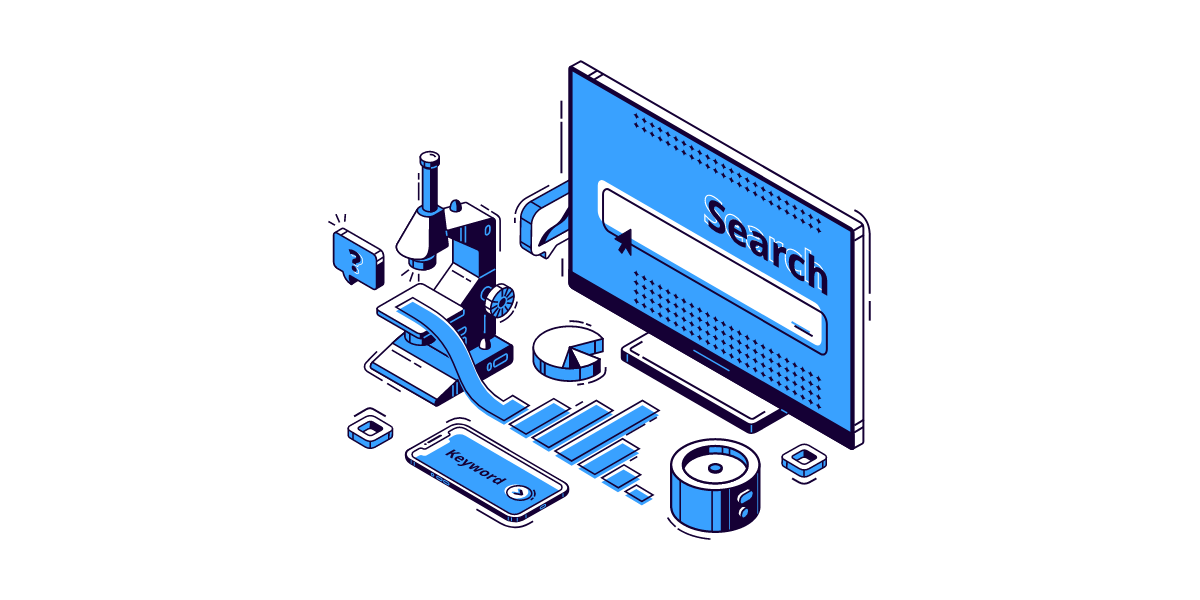
1. Keyword Research

Keyword Research | Things to Consider for Running PPC Ads


It is essential to perform detailed keyword research as a preliminary step for creating a pay-per-click campaign. The keywords can be short tail, long tail and even negative.

After you choose the keywords, the search queries can be targeted based on a broad match, a specific match, and even a phrase match. Choosing the right keywords for a product or a service is extremely important. This is primarily because of how you wish your ad will end up showing in front of a particular audience.

You must understand that the keywords act as a digital magnet, and they lead you towards users who are likely to engage with the ads and customers. There is a lot to learn about how the keywords must be used and the ways in which they can be optimized. You must make an effort to learn this part.

2. Understand Your Audience


If you and your partner are going out for a meal and the two of you enjoy Chinese cuisine then it is likely that you would prefer that. To make this simple, you will be focused on enjoying things that make you feel comfortable while avoiding the ones that do not.

This is something that goes with the audience as well. If you wish to make people engage with your PPC ads then you must consider the personality of buyer care while offering personalized experiences.

Sometimes, this may seem basic but tangible research must be done for understanding a buyer’s persona. You must do this right because if you do not, then you will not be able to target the ads in the right way.

3. Good Quality Ad Copy


Creating optimized pay-per-click ads is like a game of careful changes, and if the words are wrong then the results will not be so good. Each word matters. In fact, changing even words can lead to an increase in the click-through rate by a remarkable percentage.

There are multiple things to follow for creating an excellent pay-per-click ad that has the potential to attract more prospects. You must focus on showing people how you wish to solve their problems because, in the end, each ad must mirror the end goals of a visitor. Before writing the copy, ask yourself if the service or a product fulfils the needs.

It can also pay off to consider emotional triggers because people often act based on their emotions and not logic. An ad may describe a product adequately, but it can be even better to describe how it makes other people feel. This is an approach that appeals to emotions and also makes engagement easy.

The next thing to keep in mind is to show the benefits. Remember to tell your audience how a product or service will likely improve their lifestyle. Put it all in the spotlight because it has always been better to highlight the benefits than the features.

Lastly, you can add a deadline because loss aversion is a proven method for driving conversions as it acts as a motivational force. The entire idea of losing out on acquiring something is also known to move many shoppers out of their comfort. One of the best ways in which this can be implemented is by adding a countdown timer.

4. Remarketing Campaigns

| ThRemarketing Campaigns | Things to Consider for Running PPC Adsings to Consider for Running PPC Ads


Remarketing campaigns are extremely important because only a few people who visit your website are likely to make a purchase. You can either make the others who are left go away, or you can drive them back to you with an implementation of an excellent remarketing campaign.

It does not matter where you are running ads, all search engines have a possibility of running remarketing campaigns. With the proper search engine marketing, the ads can be tailored for people who had engaged with your brand before but were not able to make a purchase the first time.

When you display an ad multiple times to the same users, you allow them to raise awareness about a brand and offer new promotions to the prospects. The more people understand and know your products and services, the more likely they will become your customers.

5. Advertising Automation

Advertising Automation | Things to Consider for Running PPC Ads


The automation process has changed the advertising game in many different ways and some have been covered before. There is an ever-changing technology that enables you to increase leads, generate revenue and even increase leads.

Advertising automation is getting things done in less time and more efficiently. There are no more mistakes, and the entire game is changed since the advertiser can get rid of repetitive and tedious tasks. You can instead focus on creative tasks.

That said, it must be noted that automation can go beyond improved workloads. The system analyzes many data points for making the best decisions while considering the goals and budgets. Automation and optimization go hand in hand.

6. Optimize Your Website

Optimize Your Website | Things to Consider for Running PPC Ads


Way before you start a pay-per-click campaign, it is essential to wait for a moment and also address the landing pages so that they can work in sync with your ads. When the prospects click on a pay-per-click ad, it is usually because the ad’s content intrigues them, and they also want to know more.

If the link they click on takes them to a completely unrelated page on your website, then this prospect will likely bounce. Clicking on a PPC ad is an action that can be linked to knowing about your brand, which is why it is very important to create landing pages that also coincide with the ad’s content.

For instance, if you were running a pay-per-click ad offering food at a restaurant, then the landing page should have included more details about the promotion, a coupon for redeeming and something related to the ad content.

Another important thing to remember is that you must always optimize your landing pages for better performance because if a prospect clicks on an ad and it does not load quickly, they will likely bounce. Make an effort to increase your site conversions so that the prospects who have come later can follow through easily.

You can use clear and attractive call-to-action buttons for site optimization. Using a simple design with good white space can also be helpful. You can write compelling headlines and copy that is clear. You can also consider using images that can attract attention. Finally, consider adding information that is easy to understand using bullets, visuals, and quotations.

7. Set a Budget

Set a Budget | Things to Consider for Running PPC Ads


It is essential to set a budget for a pay-per-click ad campaign, but one of the best parts is that you can also do it on a limited budget while retaining close control over how much you spend.

In case you are new to PPC and do not have a lot of money to spend, then you can get started with an intelligent investment. But being clear about the budget is essential, and it will lead to a result-oriented ad campaign.

8. Create a Good Ad


After you have considered everything mentioned above, then it is time to create an ad. One of the important things to remember is to keep the ad short and to the point so that there is not a lot of time to attract the attention of prospects.

There is no need to be overly creative but you must be focused on grabbing attention, holding the interest of people and piquing their curiosity as well. To grab attention, think of coming up with a unique value proposition that can allow you to benefit customers in a short way.

The ad must be attractive, short, and purposeful for it to attract the attention of customers. This is the best way in which they can take action.

Conclusion

Conclusion | 8 Things You Must Know Before Running PPC Ads


PPC is not so difficult, but it definitely requires a sound knowledge of how marketing works, along with planning and research in case you wish to get the best ROI. The important thing is to remember that you should optimize your landing page and set a budget and a bidding strategy.

After your ad has launched, also keep in mind that you have to track, measure, test, and change to make sure that the PPC efforts are producing traffic, conversions, and leads. You can either do this by yourself or hire professional digital marketing consultants to make things work better. 

8 Essential Things You Must Know Before Running PPC Ads Read More »

Digital Marketing, , , , ,
Google Analytics 4: Complete Overview

Google Analytics 4: A Complete Overview

Google Analytics 4: Complete Overview
If you own a website, you understand how critical it is to monitor your website traffic, marketing performance, page performance, overall website health, and key performance indicators (KPIs). Millions of businesses and websites use Google Analytics to track user interaction across web domains, mobile apps, and offline APIs. 

What is GA4?


Google Analytics 4 (GA4), released in mid-October 2020, extends the regular Google Analytics Suite designed to help website owners gain a more comprehensive view of their customers’ behavior and website traffic data. GA4 replaces Universal Analytics (UA) as the default measurement method for digital analytics in GA. In 2022, Google announced that GA4 would be the only option starting July 1, 2023.

Google Analytics 4 is a powerful marketing insight tool that will assist you in making better marketing decisions. Google Analytics 4 is a new, more intelligent property built to last. It outperforms a Universal Analytics (UA) property in tracking, reporting, and insights. In addition, Google Analytics 4 introduces a new version that differs significantly from the traditional “universal” Analytics.

The new Google Analytics 4 includes several key features that distinguish it from the previous version. One of the most critical differences in the latest data modeling feature, which uses AI to fill in data gaps where cookie-consent rules may block traditional Analytics. In addition, Google Analytics 4 is a web analytics service that allows you to track traffic and engagement on your websites and apps. Google Analytics 4’s property is also adaptable. It can collect data from a website, a mobile app, or both. Universal Analytics properties, on the other hand, only support websites.

Finally, machine learning is also used in Google Analytics 4 to capture valuable insights. This new method assists you in understanding user engagement across multiple devices, platforms, and domains. These more thoughtful insights will assist you in making better marketing and business decisions. And, ultimately, a higher ROI.

Shift from Universal Analytics to Google Analytics G4


Universal Analytics was designed for a new generation of online measurement anchored in the desktop web, independent sessions, and more easily observable cookie data. However, this method of measurement is rapidly becoming obsolete. Meanwhile, Google Analytics 4 works across platforms, does not rely solely on cookies, and provides user-centric measurement through an event-based data model.

Google Analytics is a means used by nearly 30 million websites to understand user behavior better and create a better user experience. So it’s no surprise that when Google announced the switch to GA4, marketers, and website owners had a lot of questions. And while Universal Analytics provides several privacy controls, Google Analytics 4 is built with privacy in mind to provide a better experience for both the customers and their users. It enables businesses to meet changing needs and user expectations by providing more comprehensive and granular data collection and usage controls. Significantly, IP addresses will no longer be stored in Google Analytics 4. These solutions and controls are critical in today’s international data privacy landscape, where users are increasingly expecting greater privacy protections and data control.

Capabilities of Google Analytics G4

Complete data controls


Complete data controls
With the new update, Google Analytics 4 users can now drill down on data on a more granular scale, making more informed marketing decisions. For example, the acquisition tab has significantly been improved to provide a more comprehensive view of your daily traffic. In addition, the breakdowns of user acquisition and traffic acquisition have been enhanced to include more visually appealing and granular data. Furthermore, Google Analytics 4 provides you and your users with more intuitive and precise control over what personal data is collected, assisting you in complying with current and future privacy regulations. You can also create custom comparisons across various data channels to better understand how your traffic transits from week to week and month to month. GA4 employs a flexible approach to measurement and, in the not-too-distant future, will incorporate modeling to serve in the gaps where data may be lacking. In addition, by creating and analyzing custom audiences, you can determine which components are responsible for the highest level of conversions. This is invaluable as a marketer because it allows you to see which channels are the most profitable.

Additional google ads integration


Google ads integration
With Google Analytics 4, you can easily connect it to Google Ads and gain additional insight into your pay-per-click campaigns to determine how well you manage your advertising dollars. Google’s new analytics approach is fundamentally designed to be more flexible and adaptable to a future in which cookies will be much less common. In addition, privacy will be an increasingly important concern for users and regulatory bodies. GA4 includes:

  • New, more powerful measurements.
  • More powerful analyst tools and integrations.
  • Resulting in larger audiences for marketing campaigns and a higher ROI on ad spend.

Smart insights enhancement


With this new user-focused and event-driven data model, you can now look at both web and app data with a single set of metrics and dimensions, allowing for more intelligent aggregation. With improved data customization options, you can also pull custom insights on performance, demographics, technology, and e-commerce. This is massive progress because it allows you to quickly pull data about your traffic for comparisons with previous periods. In addition, knowing this type of data as a marketer can help you manage and control your ad budgets.

Advanced emphasis on customer-related data


This enhancement is intended to help marketers gain a more comprehensive understanding of how their audiences interact with the website and related products. By creating a custom traffic path analysis with different variable metrics, you can further customize analytics related to how your customers interact with your website. As a marketer, this enables you to see how your customers interact with your content and what products they interact with. In addition, it will allow you to observe your customers’ behavior to determine what they prefer.

These are far more customizable than the previous version of Google Analytics, and you can control how granular your analysis becomes.

Highlights of Google Analytics GA4

  • There is a new navigation structure now. Reports, Explore, Advertising, Configure, and Admin is now available from the left navigation pane.
  • Life cycle and user collections are the default reporting topics. Hence there is new reporting focused on the customer journey.
  • It is now easier to obtain a comprehensive view of real-time data at a glance. Hence it improves visualizations.
  • Bringing together data from app and web at scale provides a complete understanding of your customer life cycle from acquisition to retention.
  • This allows you to use modeling and learn about your customers even when your data is incomplete.
  • It is now easier to interact with data dynamically. Comparing data between desktop and mobile devices, for example, is more intuitive.
  • It is designed to be long-lasting and future-proof. It can grow with your company and work with or without cookies or identities.
  • It is designed with machine learning as the primary form of data measurement, employing “modeling” to extrapolate from current data and make assumptions about site traffic/user behavior. 
  • The new “Insights” feature powered by AI automatically highlights helpful information for marketers.
  • Its objective is to provide marketers with a “complete understanding of the customer journey across devices.” 
  • And it appears to be more concerned with measuring the entire shopper journey than just individual metrics across devices/pages/segments.
  • Google Analytics 4 includes “data streams” rather than the views and segments found in previous Universal Analytics properties.

Significant differences between Universal Analytics and Google Analytics 4


It’s been a few months since Google Analytics 4 (GA4) was announced, and there’s still a lot of confusion about the key differences between GA4 and the older Universal Analytics.

Events


The difference in data models between Universal Analytics and Google Analytics 4 properties is represented by events. A Universal Analytics event has its hit type and has a Category, Action, and Label. Every “hit” in Google Analytics 4 properties is an event; there is no distinction between hit types. A page view event is triggered, for example, when someone views one of your website’s pages.

Google Analytics 4 events have no concept of Category, Action, or Label, and Google Analytics 4 reports, unlike Universal Analytics reports, do not display Category, Action, or Label. As a result, rather than porting your existing event structure to Google Analytics 4, it is preferable to rethink your data collection in the Google Analytics 4 model.

Content grouping


Content groups enable you to create website sections by grouping contents conveniently for analysis. Content grouping in Universal Analytics enables you to organize content into logical structures and then view and compare metrics by group name. 

Google Analytics 4 properties have one predefined event parameter that populates data into the “Content Group” dimension. In addition, further Universal Analytics content group dimensions can be implemented and used as event-scoped custom dimensions in GA4.

Types of hits


Page, event, eCommerce, and social interaction hits are all Universal Analytics hit types.

Google Analytics 4 data, on another hand, is hit of any type, with the direction that any interaction can be collared as an event. So, for example, a GA4 event can be pageview, event, social interaction, eCommerce, screen view etc. As a result, Universal Analytics property hit types conform to Google Analytics 4 property events.

Sessions 


A session collects user interactions with your website within a specific time frame. Sessions are typically ended after 30 minutes of inactivity or another qualifying reset event. A session in Universal Analytics can include multiple page views, events, social interactions, and eCommerce transactions. 

Google Analytics 4 session metrics are derived from the session start event and collected automatically. For example, a session’s duration is determined by the time between the first and last event in the session. This may result in fewer ionization differences between your Universal Analytics and Google Analytics 4 properties and other considerations.

User ID 


In Universal Analytics and Google Analytics 4, user IDs serve a similar purpose in that they provide an identity space for users to analyze their data. When calculating user counts, Google Analytics 4 employs the User ID method. However, it only takes into account active website users who engage. Universal Analytics uses Client ID and the total number of users on the site to calculate user counts. The User ID property in Google Analytics 4 offers a cross-platform, cross-device view of how users interact with your app or website. Analytics generates a single user journey based on all the data associated with the same user ID. GA3 (Universal Analytics) uses a measurement model based on sessions and pageviews, whereas GA4 uses an event and parameter-based measurement model. 

Bounce rate and the engagement rate


Bounce rate and the engagement rate
One significant change is that Google Analytics 4 no longer measures bounce rate. Instead, Google Analytics 4 focuses on events and actions more than Universal Analytics. With this new tracking method, having metrics describing inactivity on the site makes less sense. As a result, Google Analytics 4 replaces bounce rate with the new metric ‘engagement rate.’ Instead of focusing solely on visitors who do not navigate to another page on the website, the engagement rate considers the time spent on the landing page. Because of this distinction, the engagement rate and bounce rate are incomparable. In addition, Google Analytics 4 includes engagement metrics such as engaging sessions, engagement rate, and engaging sessions per user.

Conclusion


Google Analytics 4 is a development of the Google Analytics Suite that Google recently released to assist website owners in gaining a more comprehensive view of their customers’ behavior, tracking website visitors, and measuring marketing performance. It will be the latest defaulting experience for new website properties and the location of future improvements. If you currently use Google Analytics to monitor your website’s traffic performance, you must upgrade to the new property version. After you’ve set it up, you’ll be able to start collecting data and using the new features. While getting started with Google Analytics 4 properties appears straightforward, strategic guidance can benefit. Schedule your free consultation with Encaptechno to learn how we can help you configure and implement the new Google Analytics and get a deep dive tour of critical features.

Google Analytics 4: A Complete Overview Read More »

Digital Marketing, , , ,
6 Business Challenges Marketing Automation Helps In Solving | Encaptechno

6 Business Challenges Marketing Automation Helps In Solving

6 Business Challenges Marketing Automation Helps In Solving | Encaptechno


Marketing automation and its scope go way beyond what people may think when they come across this term. Many times people think that it is just something that reduces the workload of marketers with the automation of repetitive and challenging tasks. Although marketing automation tools do that, the real value is in how the software can increase business revenue.

Since marketing automation delivers results, it also focuses on important challenges faced by you and your team in everyday activities. Marketing automation ensures to automate repetitive marketing tasks while solving business challenges.

Understanding the actual impact of marketing campaigns on a business and making sense of each investment is something that is very important. If you wish to achieve incredible benefits and decide where your money should be invested then you should be clear about some things like how the budget is aligned with goals, the campaigns that fetch more returns, the marketing channel that converts more leads, and where should the investment be done?

With the marketing automation tools, you can enter all this data and see how each metric is calculated to measure your ROI. By getting the exact numbers, you can also strategize your decision making and deliver higher results while also saving considerable money.

What is Marketing Automation?


In simple language, marketing automation is the process of using software for automating repetitive marketing efforts. With the automation of repetitive and time-consuming manual tasks such as generating and segmenting leads, planning social media campaigns, sending emails and SMS, and qualifying leads, efficiency and personalization of user experiences can be ensured.

The goal of a seamless marketing process is to move your leads down the funnel and finally convert them. When used properly, the features of marketing automation lead to many positive results.

Why Marketing Automation?


When you try to
streamline marketing tasks and workflows without dedicated and efficient software, that only works when the size of your company is still small. However, just as a company keeps growing and attracts more leads, marketers need more channels for engaging with customers because managing interactions becomes difficult.

Capturing, nurturing, and qualifying a wide range of leads, running effective campaigns for customer segments, and different post-purchase marketing activities required to get automated. This marketing automation keeps customer engagement consistent and meaningful. The Zoho marketing automation tools do just that when it comes to automating everything.

One can plan and execute lead generation and nurturing plans to launch a wide range of digital ad campaigns from a central hub without hitting buttons such as, “send” or “launch” on each message, email, or ad. The businesses that use marketing automation can see a wide range of benefits across all of their important everyday operations.

An important increase in the number of qualified leads that reach the sales team, a higher conversion rate, and better productivity for sales and marketing teams are good ways in which marketing automation helps a business.

Steps Needed to Start Marketing Automation


Over many years, marketing automation was considered rather difficult to understand. However, the use of
marketing automation tools such as Zoho Marketing Automation changed almost everything. This tool comes with a lot of simplicity that is combined with an actionable plan.

Zoho Marketing automation platform helps in attracting website visitors, tuning anonymous visitors into leads, and converting leads into customers. Businesses of any size can automate their marketing and ensure that the result is a tangible.

There are mostly six prominent ways in which marketing automation can be started. They are mentioned below.

1. Setting Clear Goals


Setting Clear Goals
Goal setting offers a clear direction for a marketing strategy. Some goals such as building brand engagement or increasing thought leadership are good to have but they are unlikely to bring in desired results as they are generic. 

It is recommended that marketing strategy goals be precise, measurable, achievable, realistic, and timely. Each and every effort of the marketing strategy must have a goal. This will channel your energy towards getting tangible results. In fact, you will also start seeing the results of your efforts quickly.

2. Creating and Segmenting Leads

Creating and Segmenting Leads
An important aspect of marketing automation is the generation of good quality leads. This is a step that makes you capture all the leads that show interest in your brand whether it is subscribing to a newsletter, engaging with social media, or signing up for webinars.
 

There is a wide range of promotional channels for driving traffic to your landing page. These channels make lead generation effective. When you have good quality leads in your hands, you can also segment them into groups with similar characteristics, needs, and interests who show similar purchase patterns.

When you really get to segmenting the leads, you will see that it increases your campaign open rates, customer satisfaction, and many more things. You will know what your leads are looking for and you can find it easy to engage with them suitably. For instance, you can form segments such as “Website Visitors Under the Age 25” or “Women Aged Under 18” to make the lead nurturing process efficiently.

3. Website Optimization


We know the importance of a website. It is like a modern business card that tells almost everything about your business. The key to increasing your conversions is to attract visitors to your website first.

When you deploy the right set of keywords, focus on content marketing, high-quality user experience, you can be assured that your website will be seen. Website tracking in the marketing automation platform ensures that you get the exact count of all the visitors.

Understand what the visitors on your website are focusing on. Tracking those elements on the web page and discovering more about them while also knowing why the users clicked on a call-to-action button, a specific location, the source, etc. You should also know the number of clicks, the visits, and more.

4. Targeted Marketing Campaigns


Yet another important aspect of a
business approach is to send targeted marketing messages to the leads at the right time using the right channel. This is the cornerstone of the lead nurturing process.

One of the best parts of a marketing automation campaign is that you can customize your leads as per their requirement and set up automated workflow or scheduled posts. Do not forget to include things such as emails, SMS, social, push notifications, and ad campaigns. Make sure that you are easily found where your audience is.

5. Scoring and Qualifying the Leads


Different attributes can be used for scoring more leads. You can move your leads through the funnel by adding numerical points based on important information that has been submitted.

The reaction of leads to the marketing campaigns, click-through rates, and how the leads are engaging with a brand shows a lot. This makes it easy for the marketing and sales team to respond appropriately while figuring out who is interested in buying your product and who is looking around generally.

6. Measuring Overall Performance


Measuring Overall Performance
You can measure and contextualize the marketing activities that help you reach your target market. Getting a clear understanding of conversion rates, revenue growth, marketing returns, and other key performance indicators helps immensely.

The marketing goals help in empowering you to improve your marketing strategies while optimizing the returns. Choosing the key performance indicators helps in measuring progress quickly and accurately.

Marketing and Sales Silos


The goal of sales and marketing teams is almost the same and that is to make each lead into a customer. However, the actions performed by each team can be different because they have access to different data about a lead.

Think of a lead that purchases the premium plan but also receives free trial emails from the marketing team. In addition, another customer who unsubscribed from the monthly newsletter mailing list can still receive feedback emails from the sales representatives. This is where a communication gap is likely to be created because there is a lack of knowledge sharing between the sales and marketing teams which may eventually lead to a bad user experience.

The gap can be bridged when the CRM is connected with marketing automation solutions that lead to a seamless marketing process while facilitating bidirectional communication between the teams. This always ensures that the sales and marketing teams are synchronised and each team gets accurate data about the target audience so that the campaigns are run easily.

Lack of Real-Time Interaction


Every campaign you work on as a marketer must stand out amongst the large number of messages that an audience receives each day. Let’s just say that you are sending a generic email about a business and another personalized email where you want to talk to your customers about the release of a new product.

It is likely that your audience will open the email that gets a 6 times higher transaction rate. With features such as an in-depth website, mobile app analytics, retrieving locations, demography, and monitoring survey responses, the marketing automation tools make the task easy. There is a seamless and a real-time interactive experience with your audience along with tailored content that is automated.

Low-Quality Leads


The lack of attracting quality leads is something that has become increasingly common. This also leads the sales team to mark a lead as junk and the reason why that is due to the fact that contracting individuals who have not expressed any interest in the traditional lead generation strategies such as mass advertising, cold calling, email blasts, etc.

Hence, generating a good quality lead and then passing it ahead to the sales team for conversion has become more of a challenge that can be taken care of using drip marketing. With the use of marketing automation, you can ensure that you capture the prospects interested in your business when they voluntarily sign up for a product or a service with automated sign up forms, social media campaigns, event/webinar signups, etc.

When the visitors subscribe to a brand’s YouTube channel or even sign up for a newsletter using a popup while visiting a website, it only shows that they have some level of interest in you and what you wish to offer. From here, it is possible to move the leads down the conversion funnel. After the lead is classified as warm, cold, or hot, the qualified leads can be passed to the sales team.

Brand Presence Inconsistency


In the present day marketing realm, it is not enough to promote a brand in magazines, radio, TV, and ads. It is also important to have a strong web presence all over the internet so that you can make the most out of the gains that can come with marketing.

In case you have been thinking about a way to maximize the services of an online marketing agency then marketing automation is the best answer. Regardless of the kind of content that you curate including the pay-per-click ads, running social media campaigns, blogs, video sharing, or SEO, marketing automation helps.

With marketing automation, you can effectively use the drag and drop builders, schedule them to post at the right time via automation and analyze the reach with in-depth reports. This is one of the best ways to establish a comfortable and an effective brand presence. 

Conclusion


Marketing automation is a modern solution for simplifying the marketing process for a team while also giving the leads a unique user experience and constant engagement. When a brand focuses on delighting the prospects with service and meeting needs instantly, getting conversions and increasing revenue becomes simple.

When used in the right sense, marketing automation can help in effectively tackling the key challenges and also reduce the workload of a B2B marketer. Zoho marketing automation offers a seamless and multichannel experience for nurturing leads and focusing on customer needs while also automating the time consuming manual tasks.

Encaptechno is experienced in working as a Zoho partner for many businesses with a record of helping them grow. Get in touch to get support in implementing marketing automation, today. 

6 Business Challenges Marketing Automation Helps In Solving Read More »

Digital Marketing, Zoho Implementation, , , ,
How to Optimally Use Data in Marketing? | Encaptechno

How to Optimally Use Data in Marketing?

How to Optimally Use Data in Marketing? | Encaptechno
For many years, the role of data in marketing strategies was not being maximised as much as it should have. So many organisations referred to data with the sole aim of measuring its impact. However, today the scenario has changed completely. The wide use of the internet has managed to change the role of data for marketing.

At the present time, a combination of online marketing strategies, data mining, and data analytics is enough to measure the marketing progress. The data that gets flooded in from all channels including websites, display ads, search results, social media posts, and so on helps immensely in taking important decisions.

From the abundance of data that data mining extracts, there is a new process that has come into action and that process is called data-driven marketing. So, what is data-driven marketing and how can data-driven marketing be optimally used for making the marketing process simple.

What is Data-Driven Marketing?


Just as the name suggests, data-driven marketing is a process that uses customer data to make suitable and more informed marketing decisions. There are many marketing automation and intelligence tools that are capable of collecting data from various sources and offering insights into customer behaviour and preferences.

Marketers use data for improving their online marketing strategies. The data helps in gaining a deeper understanding of the customers for performing personalised and targeted outreach. It also helps in building meaningful customer engagement and maximising the marketing efforts on the return of investment

Data-Driven Marketing Vs Traditional Marketing


Traditional marketing has long been used by marketers but it was limited in many ways. The marketers had limited information about the audiences which also meant that the important decisions were based on assumptions. Many times, the marketers also resorted to the trial and error methods as a
lead generation technique.

In the past, no one could be confident about the success of a marketing campaign. Even the data sources and by that we mean the market studies were unreliable. There was a limited measurement of their effectiveness and the traditional campaigns produced no measurable insights about the markets that were targeted and their audiences. Companies were required to strategize better consistently.

With the entry of data-driven marketing in the picture, all the guesswork was replaced with some hard-hitting facts. With techniques such as data analytics and data mining, marketers can extract data and drill it down to the needs and preferences of demographics, digital behaviour, buying patterns, interests, etc.

Marketers can pretty much reach their audience at the right time and place. This can be done with personalised messages and offers that are capable of increasing conversions. Hence, data-driven marketing is one of the best methods to get more leads.

That said, data-driven marketing is not the end of traditional marketing. It is definitely the best method for promoting middle and bottom-funnel campaigns, but traditional marketing techniques are perfect for creating awareness. While entering new markets and segmenting audiences, organisations should maximise their reach.

Traditional marketing will always be a great method for building brand recognition and attracting new customers at a scale. However, companies need data-driven online marketing strategies for nurturing their audience and to ensure that they stick around for a long time.

Why Use Data-Driven Marketing?


Data-driven marketing comes with many benefits altogether. This is the reason why some of the leading marketers are
72% likely to invest in the quality of data that they capture. 

1. Understanding Target Audience


The data-driven marketing techniques such as data mining and data analytics are an excellent way to look into the indicators such as page or blog visits, ad clicks, video views, products added to the cart, and much more.

When marketers use these techniques strategically, it becomes easy to engage them in the right channels that lead to the right conversations as well.

2. Audience Segmentation

Audience Segmentation - Why Use Data-Driven Marketing?

Data is an excellent way to create segments based on interest, demography, purchase history, geography, etc. It can be used for running campaigns that are specific to each segment for boosting conversion.

With data mining, marketers can create campaigns that they know will appeal to audiences no matter what. The segmentation makes the marketers understand just what will appeal to the audience.

3. Personalised Messaging


Marketers can also use data to personalise their messaging and offer suitable products, content and also the next best action recommendations for helping decision making.

For instance, let’s say a visitor on an e-commerce website sees a product many times. Now the number of times a visitor sees this product can be gauged for understanding the intent with which a customer is coming online and wishes to purchase the product. 

The personalised messaging is capable of improving sales conversion by 10-15%. Over 90% of marketers say that personalization leads to improved business profitability.

4. Omni Channel Experience


It becomes easy to track the cross channel data with the use of data-driven marketing techniques. The marketers can trace the customer journey and also offer an omnichannel experience that changes from digital to physical and vice versa

The organisations that offer a consistent experience to their customers across all channels see a 5-15% revenue increase which is substantial in all ways.

5. Targeted Ad Buying


Data analytics
is an excellent method to combine customer data with algorithms that can find a suitable method for displaying digital ads.

These ads can be placed strategically on the right platforms and they can be promoted thereon for fetching suitable results.

6. Marketing ROI

Marketing ROI - Why Use Data-Driven Marketing?

The use of customer data for driving marketing campaigns helps in optimising the performance on different channels and improves attribution accuracy as well.

Marketers can easily determine which channels return the maximum revenue at nominal expenditure while investing to reduce costs. In addition, it also helps in making much better predictions while planning the budget and resources optimally.

Data-Driven Marketing Trends


It is a known fact that data is the new currency in the present times and even the most valuable one. After the world got hit by the pandemic in 2020, data has become supreme. There was a massive move to digital with more and more people coming indoors as the pandemic related restrictions increased.

Consumers and businesses adopted digital means of doing their work and the data became supreme. Some of the common trends that continue to transform data-driven marketing are mentioned below.

1. Automation and Personalization


The USP of AI is in converting massive amounts of raw data into comprehensible information within a few seconds. This is clearly something that humans cannot do.
 

Moreover, the impact of AI across industries and functions is considered in every sense. It continues to help marketers make personalised and real-time engagement at scale. The application of advanced data mining algorithms can help marketers to learn systems from the available data and improve them over time.

Automation and personalization are excellent ways to harness and act on the right data and that too at the right time without any kind of manual intervention. It leads to advanced results in a streamlined way.

2. Predictive Analysis


Data-driven marketing techniques lead to predictive analysis that keeps marketers a lot more agile. The data analysis methods allow marketers to build agile data models that help in keeping pace with quickly changing customer behaviours.

AI-powered predictive analysis helps marketers to stay on top of existing customer behaviour while planning for upcoming marketing strategies.

3. Privacy and Security Concerns


With an increase in data breaches all over the world, most customers are left anxious about their data. They do not know how, when, and where their data is going to be compromised.
 

There are common data privacy regulations that require marketers to become more transparent about how they use customer data. Many tech giants across the world have taken steps for addressing customer security concerns with the direction to remove third party cookies from websites.

Hence, marketers must find a way to depend on their own data as opposed to third-party sources because privacy and security regulations are becoming tightened. This is something that requires marketers to enhance their tech stack and adopt future-ready data-driven marketing methods.

4. Breakdown of Data Silos


Most customer data that resides with each team is supposed to be made accessible to all unless the data is sensitive or confidential. When there is improved data sharing, there is an increase in the visibility of customer journeys.

The breakdown of data silos helps in building comprehensive and connected data-driven strategies that can ultimately benefit all stakeholders.

Using Data-Driven Marketing Strategies Optimally


The use of data for driving marketing outreach allows most marketers to put customers at the centre of everything that they do and engage in. The complete idea of data-driven marketing is usually for optimising benefits for marketers and making sure that customers do not have to face irrelevant and annoying messages that affect their journey.

Some of the data-driven marketing strategies that are useful for improving and personalising customer engagement include:

1. Consolidation of Data


A very good
lead generation technique is bringing all the data and your organisation in just one place. This is something that allows you to create a consistent customer journey all across channels and touchpoints.

Moreover, it also provides consistent and contextual customer experiences. Once the data consolidation starts happening, it becomes easy to unite the brand messaging across functions and not just the marketing campaigns.

2. Improved Audience Segmentation


Data analytics
is an excellent method to know your target audience in a better way. Once you know your audience segments better, it becomes easier to target them optimally.

Since the goal is to make marketing a lot more relevant, it is best to start by creating well-defined audience segments that can address the audience’s needs in ways that suit their specific needs and journeys.

Data including demographic details, digital behaviour shown by a customer, preferred platforms on which customers spend their time, etc. are suitable for segmenting the audiences. It is also possible to refine the segments on the basis of the level of engagement.

3. Content Optimization


The data-driven marketing techniques also help in optimising the content that you post on most platforms. You can perfect your content by analysing the data for revealing finder nuances about the audience and their personalities.

Once you understand the preferences of the audience, it will become very simple for you to create and refine your content across all platforms while making it very useful and engaging. This is a useful lead generation technique that can be used by brands for better promotion.

4. Understanding Buyer Personas


The data-driven marketing techniques for understanding the buyer’s persona in a much better way. You can use the data that you extract for understanding the browsing history, previous purchases, customer engagement, etc. for creating evolved buyer personas.

The data helps in reconnecting with and reminding your audience about your brand at the right time and on the right platforms so that prompt action can be taken. You can also display targeted ads on social media and even send abandoned cart emails so that they can be nudged towards making the purchase.

5. Unification of Customer Experience


Customer journeys have become very comprehensive in nature while making it important for companies to develop the capabilities required for recognising and engaging customers regardless of the channel used.

Using an omni-channel strategy based on unified data from various channels and teams can help in streamlining customer journeys while bringing down their churn rates.

6. Best Promotion Time


The data-driven marketing is also an excellent method to find the best time for promotions. The historical data can help in getting clarity on which day, month, and year is suitable for getting maximum engagement.

Once you are able to optimise the time and duration of the promotional campaigns, it is likely that the audience will notice you keenly. This in turn will lead to brand promotion and wide recognition in the long run.

Conclusion


One of the best methods to ensure an effective marketing plan is by making the customers feel that they are being engaged in a personal and a one to one conversation. The customers should not feel that they are being marketed to. Using data-driven marketing does exactly this by creating a more meaningful and customised experience.

It leads to well-timed and relevant personalization while guiding the customers to make purchases and repelling them ultimately. The consistent and groundbreaking developments in big data and AI are sure to make data-driven marketing even stronger.

The data-driven marketing is the future and brands should adopt digital marketing services that are implemented in sync with it before it is too late. If you are also looking for data-driven marketing services then get in touch to know more.

How to Optimally Use Data in Marketing? Read More »

Digital Marketing, , , , ,
Maximize your PPC Ads ROI with Google Ads Performance Planner | Digital Marketing Services | Encaptechno
Maximize Your PPC Ads ROI with Google Ads Performance Planner

Maximize your PPC Ads ROI with Google Ads Performance Planner | Digital Marketing Services | Encaptechno

While Google Ads is one of the most convenient ways to drive traffic to your website, you should take the time to develop an effective advertising strategy to maximize your ad spending.

Optimizing your Google ads and website can result in a higher ROI. Although the procedures for achieving this goal are complex, some techniques can assist you in taking advantage of Google Ads campaigns and adequately assessing the results. The Performance Planner is a forecasting tool in Google Ads that allows you to plan your advertising budget and see how changes to your campaigns affect key performance metrics and overall performance. Using Google’s Performance Planner tool, advertisers can get up to 43 percent more conversions. In addition, you can use this tool to forecast your campaign’s monthly and quarterly performance. You can also get recommendations to help campaigns perform better for the same budget. 

Google Ads Performance Planner


Google Ads Performance Planner is a forecasting tool that allows you to forecast how changes and budget adjustments will affect your key metrics and ad performance. This tool assists you in identifying appropriate spending amounts and determining how to maximize your budget most effectively.

  • The Performance Planner assists advertisers in optimizing campaigns by recommending an ideal plan for spreading spend among campaigns in the plan in the most effective way. 
  • The Performance Planner is simple and extremely useful, but it should be used with caution. Assume you are in charge of campaigns and have a monthly budget of $10,000 to distribute among 100 search campaigns. Google Ads Performance Planner will recommend how to best use your budget to maximize conversion rates and generate a higher overall return on investment (ROI).
  • Around 80% of businesses concentrate on Google Ads for PPC campaigns. Google Ads Performance Planner saves you from jeopardizing your PPC performance by showing you potential outcomes before publishing your desired changes. It shows you how the changes affect your Google Ads budget and your PPC ROI. Finally, it makes it easier to experiment with campaign settings and see what results you get.
  • It enables you to predict outcomes before implementing changes. With the first point, running a Google Ads campaign frequently entails experimenting with new strategies to maximize your budget.

What is ROI?

What is ROI? | PPC Ads with Google Ads Performance Planner
ROI is the return on investment that your company receives from marketing initiatives. It is the ratio of your net profit to your costs.

The ROI calculation is as follows:

ROI = Net Profit / Total Investment multiplied by 100

This key performance indicator (KPI) is critical in advertising because it tells us the true impact of our advertising efforts.

The main goal of any campaign is to maximize leads and conversions, ensuring a positive return on investment. The sheer number of settings, metrics, and options available in Google Ads can be overwhelming initially, leaving some marketers paralyzed by choice. However, if you wish to get the best ROI possible, you must embrace Google Ads’ many significant assets and tools – you cannot simply dip your toes in and hope for the best.

How can Google Ads Performance Planner help you? 


Performance Planner is an important tool that enables you to plan your advertising budget and assess how changes to campaigns affect vital metrics and overall performance. It can help you in achieving the following-

  • Create a strategy to see financial projections for your campaigns.
  • Examine the projected monthly and quarterly performance of your campaigns.
  • Examine your forecast by modifying various campaign settings to see how these changes will affect future performance.
  • Gain access to campaign forecasts.
  • Implement the modifications specified in your plan as soon as possible.
  • Get recommendations to help your campaigns perform better for the same amount of money.
  • Test with different campaign settings to see what happens.
  • Recognize opportunities during seasonal periods.

The Function of a Google Ads Performance Planner


Every day, Google deals with unfathomable amounts of data. When you search for something on Google Search, information about your search is incorporated into Google’s considerations, metrics, and insights. It can then be transformed into useful information for marketers and advertisers. Everyone wants their campaign to be a huge success. A performance planner aids this goal. Once every 24 hours, Performance Planner provides an update on relevant ad auctions from the previous 7-10 days, taking into account trends in Google Search, Google Display, and other Google platforms. After running multiple simulations, Performance Planner can tell you how your campaign should change in light of current trends. It employs machine learning to ensure that your forecasts are accurate. We live in a time when everything changes quickly, so instead of planning a month or a quarter, plan a week. This way, you don’t risk something drastically changing in search trends and your campaign performing poorly.

Why Should Your Company Use the Performance Planner?


Google Ads Performance Planner is one of many excellent tools available on the world’s most famous advertising platform. 

You can use it to make a detailed plan that will guide your decision-making, allowing you to manage your budget and account more efficiently and effectively to deliver the desired results. Google Performance Planner is an excellent tool for getting more out of your ad campaigns. Customer habits, behaviors, and schedules are changing faster than ever before. 

Because of this evolution, advertisers must devise new strategies to meet consumers’ shifting demands. As a result, Google Ads has introduced a Performance Planner tool, which focuses on ad spend planning.  

Advantages of Google Ads Performance Planner 


Google Ads Performance Planner assists you in making the most of your advertising budget

Google Ads Performance Planner assists you in making the most of your advertising budget
One of the main benefits of Google Ads Performance Planner is that it can assist you in making the most of your budget. Of course, if you spend money on Google Ad campaigns, you want to get the most bang for your buck while also getting a good ROI. You can use this tool to maximize your budget and get the most out of every dollar. Performance Planner shows you how much adjusting your campaigns will cost you and whether the extra expense is worthwhile in the long run. In addition, this tool can help you determine whether you need to increase your budget and how increasing your budget affects the amount of money you receive from your campaigns. 

Google Ads Performance Planner creates seasonality adjustments


Seasonal lows and highs have an impact on many businesses. Google now takes this into account in its forecasts. Any date range you select for estimates will account for seasonality. In addition, Google’s predictions will be based on previous years’ search queries in similar periods, geographic locations, categories, and year-over-year growth. For example, if you make a forecast in December, the holiday shopping season will be considered if it affects your business. The performance planner predicts the results if we use optimal bids and average daily budgets for all campaigns in our account to maximize the number of conversions for any future spending scenario using Google’s seasonality data and insights.

Google Ads Performance Planner investigates new opportunities in a changing market

Google Ads Performance Planner investigates new opportunities in a changing market
Keeping up with changes in customer demand in a volatile market is especially difficult. Google Ads Performance Planner equips personalized and real-time guidance to adjust to these changes. In addition, it can assist you in discovering new opportunities for your campaigns. Finally, a Performance Planner assists you in making the most of your resources. It can help you plan your ad spend, manage budgets across campaigns, and understand seasonal highs and lows. In addition, it simulates related ad auctions to provide you with an estimate of your campaigns’ performance and recommendations to help campaigns perform better for the same spend.

Google Ads Performance Planner assists you in forecasting campaign performance

Google Ads Performance Planner assists you in forecasting campaign performance
Knowing how changes will affect your pay-per-click (PPC) advertising campaigns is one of the most challenging aspects of running a PPC campaign. When running PPC campaigns, you frequently test new keywords or targeting to see if there are better ways to maximize your budget. However, if you implement the changes, you risk negatively impacting your company’s ad performance. However, you can forecast campaign outcomes with this tool before making changes.

Furthermore, this tool allows you to investigate the outcomes as you change campaign settings to maximize results. As a result, you know how campaign changes will affect your budget and return on investment (ROI) before implementing them. It gives you an advantage in your campaign, allowing you to make actionable decisions to improve your ad performance.

Google Ads Performance Planner assists in growth in a short time


Growth is the critical metric that determines a startup’s future. Unfortunately, early-stage startups with limited resources rely on explosive growth in a short period. Because of the startup culture, everyone is frequently forced to use analytical, affordable, creative, and innovative methods to increase their ROI exponentially. Google Ads Performance Planner assists brands in attracting and retaining customers by updating their products regularly. In addition, you can use it to solicit customer feedback so that you always know if you’re on the right track. At the same time, you can market your product to ensure continued growth and track the results. The Performance Planner can assist you in comparing results to previous periods and planning to increase campaign ROI.

Google Ads Performance Planner aids in obtaining the best ROI on your google ads budget


Google Ads Planner ensures that your budget is spent on campaign adjustments that result in the best PPC ROI. It accomplishes this by displaying how much tweaking your campaigns will cost you and whether any additional investment will result in better returns. It also suggests increasing your budget and demonstrates how doing so can optimize your PPC campaigns. Overall, Performance Planner allows you to set the best Google Ads budget for your PPC campaigns to maximize your investment and capture new growth opportunities.

Practical Tips To Use Google Ads Performance Planner


  1. Compare campaign performance across campaigns or accounts with similar goals and objectives.
  2. Remember that the predictions are only estimates based on auction data, seasonality, and recent campaign history. As a result, the actual levels of performance may differ.
  3. Check that you have enough data to make accurate forecasts. Your campaigns will be ineligible without the data.
  4.  If your campaign has been deleted or uses shared budgets, it will not be eligible. It also loses eligibility if it hasn’t been running for at least seven days after being changed or if it doesn’t use a manual CPC (cost-per-click), enhanced CPC, or target CPA (cost per acquisition) bid strategy.
  5. Don’t plan too far ahead. The data is more accurate the closer your forecasted period is to the current date.
  6. Remember that the forecasts are only estimates based on auction data, seasonality, and previous campaign history. Actual levels of performance may differ.

Final Words


Google Ads Performance Planner is a valuable tool that can assist you or your pay-per-click consultant in identifying growth opportunities and improving your search engine optimization (SEO) performance. You can use it to generate a detailed forecast, better manage your ad spend and account, and, ultimately, achieve your desired PPC ROI. Google Ads Performance Planner is an excellent tool for predicting how changes to your ad will affect its performance. However, if you are still unsure about using this tool, let the experts at Encaptechno assist you. Our PPC Ads in an internet marketing agency work hard to follow all best practices. We use the best tools available to make the most strategic decisions for our clients’ budgets and deliver exceptional results.


Maximize Your PPC Ads ROI with Google Ads Performance Planner Read More »

Digital Marketing, , , ,
How Does Website Hosting Affect Your SEO Results? | Encaptechno

How Does Website Hosting Affect Your SEO Results?

How Does Website Hosting Affect Your SEO Results? | Encaptechno


Ever since a decade, every year has seen a wide rise in digitalization. Websites are becoming an important aspect of all businesses. Regardless of the industry or the size of the company, almost everyone wants their websites to be ranked on the first page of search engines with suitable SEO planning.

The websites that are listed on the second page of search engines or any other search engine are not so likely to receive any traffic. Hence, to make sure that a website gets listed on search results, companies must spend considerable resources in terms of money and time. This helps in improving the SERP rankings considerably.

In addition, there are many factors that affect the SEO planning of a website and addressing all of them takes a lot of time. More importantly, the SEO efforts lead to good results with consistent planning and implementation of digital marketing strategies.

One of the important factors that can immediately help the SEO results to be favourable is a smooth operating website. Users today want websites to be quick and reliable so the search engines are not going to show websites that are not. The thing that affects the speed, reliability factor and security of a website is called web hosting.

Let us look at what web hosting is and what is its relevance in SEO?

What is Web Hosting?


Website hosting
is basically the storage space or the internet hosting where a website data is stored in the web servers and accessed by users using the internet. In essence, web hosting enables your website to be accessible for all users on the internet.

On the basis of your requirements, you can choose different web hosting. This hosting cost can vary on the basis of disk space, data transfer limitations, and many other factors as well.

Working of Web Hosting


Have you ever wondered about what happens in the backend of a computer system when you search any website? Basically, when you visit a website, the server request is sent through the internet from your computer. The request is further sent to the server where the website is being hosted.

The server responds to the user in return with the requested data and further displays it on the computer system as well. Using the internet, you are interacting with the webserver for fetching information. For all actions taken by you on the website, the data gets fetched from the hosting server and is displayed for you.

In case the server is slow or if it is taking some time to respond then the website may be loading slowly at your end. It is best to choose the server type on the basis of the traffic that you receive to your business website. The server response rate is a factor that is responsible for deciding the website loading speed on the user’s computer.

Three Types of SEO Hostings

There are three primary types of SEO hosting that are mentioned below:

1. Shared Hosting 


In case you are beginning with one or smaller websites, a shared hosting plan can be suitable. It is basic and is geared towards small businesses. Just as the name suggests, shared hosting requires you to share resources with other customers which means the website performance will not be the quickest if you choose this.

In case those with other customers use many resources, it can affect how fast your site loads. Many plans claim to offer unlimited resources but they are not unlimited. Once you use too many resources, they will disrupt your speed to a crawl.

In case you are competing to get ranked for high competition keywords then speed and stability make a difference and shared hosting is not enough. In addition, shared hosting slows down things further if you have high levels of traffic. So shared hosting is the right option only when you are learning and testing but not for large scale SEO projects.

2. Virtual Private Server (VPS)


This is the next step in terms of performance and cost. Using a VPS, you are basically still sharing servers with other customers. The main difference is that you have some resources dedicated to your sites so that the website is not affected even when other customers are using many resources.

The overall quality of a VPS can differ between hosts. You can compare the bandwidths and disk space available on each plan for getting an estimate of how much traffic the plan can support. The good thing about a VPS is that it is easy to scale up. Some hosts also offer auto-scaling up the resources to your sites if it is needed.

3. Dedicated Servers for SEO


A dedicated server is completely independent in nature. You have root access to it and you can put as many sites as you want on it. Make sure that the quality varies based on the kind of plan and host that you choose.

Unless you have many visitors in just a month, a dedicated server is mostly likely overkilling. However, if the budget is not an issue for you then this kind of server is the best choice for your SEO plan.

The dedicated servers for the SEO plan will make sure that you get the best results from your search engine optimization efforts. So you can consider buying this one if budget is not a problem.

Common Results of Website Hosting on SEO

1. Website Loading


Website Loading | Common Results of Website Hosting on SEOThe website loading time comes with the capability to affect the user experience directly. In case your website is not loading within two to three seconds, the users are likely to bounce off the website which is hampering your SEO planning.

It is possible to improve the website speed by reducing the media files or by compressing the images on your website. However, nothing can impact the speed of a website as web hosting possibly can.

Many times, it becomes difficult to reach the two seconds goal with the standard shared hosting. This means that you must consider Cloud Hosting or Virtual Private Serves for improving the loading speed of your website. A quickly loading website does not just delight the users but also has a significant impact on the SEO.

2. Server Downtime


Another important factor controlled by
website hosting that ends up affecting your website’s SEO is server downtime. In case the website continues to suffer from frequent downtime then it is necessary to change your web hosting. Bad downtime is a sign that web hosting is not reliable.

The downtime does not just affect the website performance but it also affects the SEO. For instance, a potential customer enters a search enquiry that is suited for the products or services you offer, but the crawlers won’t find your websites because it is down. This leads to losing the customer and degrading the website’s SEO.

Frequency in downtime can also flag your website as unreliable and it leads to your website’s ranking being downgraded as well. Hence, it is important that you choose web hosting that is reliable and can also ensure uptime.

3. Location


This is one factor that was not so crucial a decade ago but today the location of web hosting servers can have a direct impact on SEO. With so many websites offering similar services, the search engines prioritise the website based on the location of a specific search question.

For instance, if a search query is made for a product in India, a website that is located in India is likely to be shown first. There is no doubt that this system has a prominent downside because users from other countries cannot find your website for the same keywords.

However, this also opens up many new avenues for your business as you can focus on a location and ensure that you’re getting ranked quickly. Moreover, the location of a server can also have an impact on the loading speed of the website.

When the distance between the users and server is more, the website takes a high time to load. For this reason, some hosting providers offer CDN or Content Delivery Networks that ensure that the website speed is not hampered regardless of the location.

4. Security


Security | Common Results of Website Hosting on SEO
Other than the speed and reliability of the website, security is another factor that impacts the website’s SEO. Google and other prominent search engines are increasingly giving preferences to sites that are more secure. For instance, the websites with SSL certificates are an example of the extent to which a website is important for
SEO planning.

The security features provided by website hosting service providers are necessary for ensuring the overall security of a website. One must choose hosting service providers with a good track record and the ability to offer the latest security features. In case the website is supposed to get hacked, it can have long term effects on search engine rankings.

5. Technical Support 


Technical Support | Common Results of Website Hosting on SEO
Regardless of whether you have in house IT support or not, constantly available tech support offered by the
website hosting provider is always required. In case the domain gets hijacked or the website goes down, you will need quickly available support.

A credible and hard-working team can offer all the support that you need to ensure that your website is running properly. A well operating website with no problems can have a lasting positive impact on SEO.

Conclusion

There is a significant amount of competition that prevails across all industries at the present time. In this scenario, a high rank on search engines should be a prime priority. There are many methods that can be used for boosting your SEO and most of them take time before showing any real impact.

That said, all businesses must do all that it takes to create a positive effect on SEO planning and implementation. This ensures better ranking and web authority. A better website hosting provider can be the first step for getting SEO friendly web hosting.

If you want any more suggestions on how to improve your SEO and which web hosting suits you the best, feel free to get in touch with our experts at Encaptechno.


How Does Website Hosting Affect Your SEO Results? Read More »

Digital Marketing, , , , ,
What is Content Marketing and Why Is It Important? | Encaptechno

What is Content Marketing and Why Is It Important?

What is Content Marketing and Why Is It Important? | Encaptechno
The content that you consume makes a difference in your life subconsciously. It is until you keep consuming the same quality of content repeatedly that it starts surfacing in the conscious mind and starts influencing your decisions as well. That is the power of content.

All the digital content that you like consuming is created, shared, and promoted with the aim to create value. Brands across all sectors continue to create content that offers great value to the viewers. If a brand publishes good content then attracting customers and increasing prominence amongst the customers becomes easy.

Content creation and promotion have become extremely popular methods that drive digital marketing forward. If the marketing plan does not have a good content marketing strategy then the efforts do not lead to meaningful results. Content marketing is a powerful tool that helps businesses increase their web traffic and overall brand awareness. It helps in boosting sales.

According to modern business marketers, content marketing is the key to success in the present digital age. Without a well-planned content strategy, businesses will be left behind easily. In this post, we will explore what is content marketing and all the reasons why it is considered important?
What is Content Marketing?


A content
marketing strategy is a detailed plan that is used for attracting, engaging, and retaining. There are various formats of content that brands can create including, blogs, articles, videos, infographics, social media posts, podcasts, whitepapers, newsletters and other media. Content marketing is done to establish expertise, promote brand awareness, and keep your business at the top of the customer’s mind.

If you hire a content marketing team then the prime responsibility of that team will be to develop and distribute relevant and useful content. When the content marketing is done right, the brand message goes out loud and clear amongst the customers.

With consistent use of content marketing and online marketing services, a brand can establish and nurture relationships with prospective and existing customers. When the audience thinks of a company as a partner interested in their success and as a valuable source of advice and guidance, they are more likely to choose the brand when it is the time to buy.

Working on Content Marketing


Working on Content Marketing
A business can use content marketing for attracting leads and making a product or service case when someone is looking for what to buy and close the sales. If you wish to use a
content strategy effectively, it is necessary to deliver the right content at all possible stages of the sales cycle.

From awareness to consideration and purchase, the quality of content should be consistent. Approaching the content marketing strategy in this way makes the process very easy. Given below are three stages of the content marketing plan used by brands to engage the audience and sell their products or services.

1. Awareness Stage


This is the first stage of producing
quality content. In this stage, the content creation should be focused on addressing the top concerns of the audience. Things such as writing about the pain points, challenges, and questions offer all brands the best ways of engaging with the audience.

Keep in mind that the quality of the content at this stage is educational and offers how-to advice. The brands must not be focused on selling at this stage. Rather, the selling should be in the consideration and closing phases. Some of the best content pieces that brands can publish at this stage include blog posts, e-books, videos, newsletters, and articles.

2. Consideration Stage


In the consideration stage, the content quality is supposed to give a hybrid of useful information and marketing. It should be focused on educating the reader about all features that must be looked out for and how these features solve the needs of users.

The content should have a bent toward what the brand is offering the customers when it is at this stage. The best content pieces to create and publish at this stage include case studies, how-to videos, how-to articles, checklists, worksheets, etc.

3. Closing Stage


Content marketing plays an extremely important role when a prospect is close to purchasing. This is the stage where you can focus completely on sales until you continue to drive home. At the consideration stage, the content should be created to convince the customer about how great your brand’s products or services are.

The fundamental message of content in this stage should be expertise, knowledge, and differentiating benefits of what must be sold. Some of the best content pieces in this stage include user-generated content, buyer’s guide, product videos, research reports, etc.

Why is Content Marketing Important?


Regardless of which industry you may be a part of, content marketing is an effective way to enhance your marketing efforts. Each brand with a successful
marketing strategy can use the power of content creation in one way or another.

With an ever-growing number of internet users and rising e-commerce trends, digital marketing reigns over all the traditional marketing methods. You can plan the creation of quality content and maximize its potential by sharing it on the right platforms.

You must remember that the search engines keep refining their algorithms in an ongoing effort when it comes to offering results to search queries. Hence, providing good content in terms of both readability and effectiveness can be important when you are trying to grow a loyal audience.

To make this structured, below mentioned are some of the reasons that explain the importance of content marketing to us.

1. Fundamental Part of Online Lead Generation


Fundamental Part of Online Lead Generation
The primary importance of content marketing is the fact it links and supports almost all elements of a digital marketing strategy. You can think of content marketing that gives your
online lead generation plan a good head start.

The content created can be used for blogs, emails, social media, PPC ads, etc. With a dependable content marketing strategy in place, each channel uses the marketing tactics that are considered best for achieving marketing goals and sales revenue targets.

When a brand creates engaging and high-quality content, it can be easily built into the digital marketing campaign with seamlessness. Basically, you need good content to attract customers to your website or social media accounts. Once that happens, the quality of content should keep rising if you wish to have this visitor return again and again.

The overall quality of content has the ability to determine whether they will sign up for an offer or supply you with an email address. In addition, your email base also needs content based on their relationship to your company and stage in the buying cycle.

2. Establish Reliability


You can establish trust with your audience when you continue creating good
quality content. Creating valuable content also enables you to form a long-lasting relationship with the customers. Once this trust has been created, a business garners a positive reputation and this keeps growing with each content piece.

Content is a powerful tool to engage and keep your audience interested in what your brand offers now and in the future as well. If your business can attract a positive experience from the content that you produce and provide then you are good to go. This way, the brand will leave a good impression in the long run.

3. Increase Conversions


Increase Conversions
Content is more like a map that guides the users to a brand’s real value. Content offers the customers an ability to share important information with the audience in an attractive manner. In fact, it won’t be wrong to say that
content marketing is one of the most cost-effective methods to generate new leads for a brand.

When you create content that features an engaging call to action buttons, you will be able to generate leads efficiently. In addition, the content marketing strategy also has the ability to impact the conversion rates as well. It can improve your brand conversion rate because it allows you to connect with and inform your leads directly.

Customers are highly likely to invest in what your brand is offering if they have a good idea about what you are and all that you stand for. When you create good content consistently, you can easily influence your audience to make informed decisions about your brand’s value addition.

4. Long-term Success


Planning way ahead for your
content strategy does not help to free you from the everyday stress of planning and posting something, but it will also enable you to focus on long-term success. You will be able to strategize effectively and deliver quantifiable results. You can have teamwork on a content bank because that is an activity that is helpful when it comes to creating and publishing content timely.

When you begin to keep a record of the content pieces that you have used already by storing them all in one place, you get a better perspective. You can also work on creating and storing promotional materials such as photos, pre-written text, videos, or anything that you might want to put in a calendar.

The content pieces that are considered evergreen can also be helpful or considered relevant to your audience. You can use the old content that did well and repurpose it according to the ongoing trends or new releases made by your brand.

Other than this, the new product updates and educational content work great, and promotions are also very relevant. Focussing on sharing events, behind-the-scenes content, and company news just as it keeps coming up is also helpful.

5. Better ROI


A good
content marketing strategy helps in getting a good return on investment in the long run. Content marketing does not just precede the traditional marketing methods but it also attracts many other website visitors and leads. Consistent creation of content increases traffic and as the traffic increases, the conversions do too.

As mentioned above, these conversions are good quality leads that serve the purpose of being a good building block for your sales funnel. The website visitors who convert have also been chosen to engage with your content by accepting an offer that is displayed on the website.

The offer can be an infographic, white papers, consultation, etc. The content strategy is developed for the buying journey. It offers valuable information at every stage of the buying cycle. In this manner, website visitors can convert to leads and from there to new clients. This is a constant flow of content that nurtures prospects at each step.

6. SEO Optimization


SEO Optimization
Search engines such as Google perform a crawl of each website’s content for finding what users can bring to a website. Good content ends up generating more traffic because of the simple fact that the search engines have a better idea about the purpose of a business.

Optimization of web pages for better performance helps in increasing search engine ranking. SEO is a technical reason to create good content. It is something that matters immensely. You must give the search engines good reasons to connect with your content and promote it to the right customers.

Remember that your buyers go online and use the search engines for finding solutions using keyword phrases. Google then reveals the top content choices for these phrases. If a business masters how to get to the top of search then the brand can win in the organic search. It becomes easy to bring qualified traffic to the website and increase that traffic by publishing good content consistently.

Conclusion


Creating content can be a lot of fun when you understand the importance of doing it properly. It is important to realize that a haphazard approach will not do if your goal is to get results.  You can hire
content marketing services so that there is a dedicated professional to brainstorm some ideas that should be written about.

The key to success lies majorly in aligning all your content with the overall marketing and branding strategy and creating a defined schedule. For this, you need a detailed content calendar. This might seem like a lot to do, but just when you get around to doing it, you will end up saving plenty of time all through the month.

For any other information on content marketing services, feel free to get in touch with Encaptechno.

What is Content Marketing and Why Is It Important? Read More »

Digital Marketing, , , , ,
Scroll to Top